

How to Master the Sand Molding Process for Optimal Results?
The sand molding process is a crucial technique in foundry operations, shaping the future of metal casting. According to Dr. Emily Grant, an expert in materials engineering, “Mastering the sand molding process can significantly enhance the quality of cast parts.” This insight underscores the importance of understanding the intricacies involved.
Many factors influence the sand molding process. For instance, the choice of sand composition, moisture content, and molding techniques can all impact the outcome. Crafting the perfect mold is not simply a routine task; it requires attention to detail and a deep understanding of the materials involved. Imperfections may arise, such as inconsistent mold hardness or misalignment, which can lead to defects in the final product.
This process may seem straightforward, but challenges lurk at every turn. Issues with sand bonding or cooling rates can create unforeseen obstacles. Reflecting on these complexities is essential for achieving optimal results. Without a commitment to mastering the sand molding process, even seasoned professionals may find themselves facing recurring problems in their castings.
Understanding the Basics of the Sand Molding Process
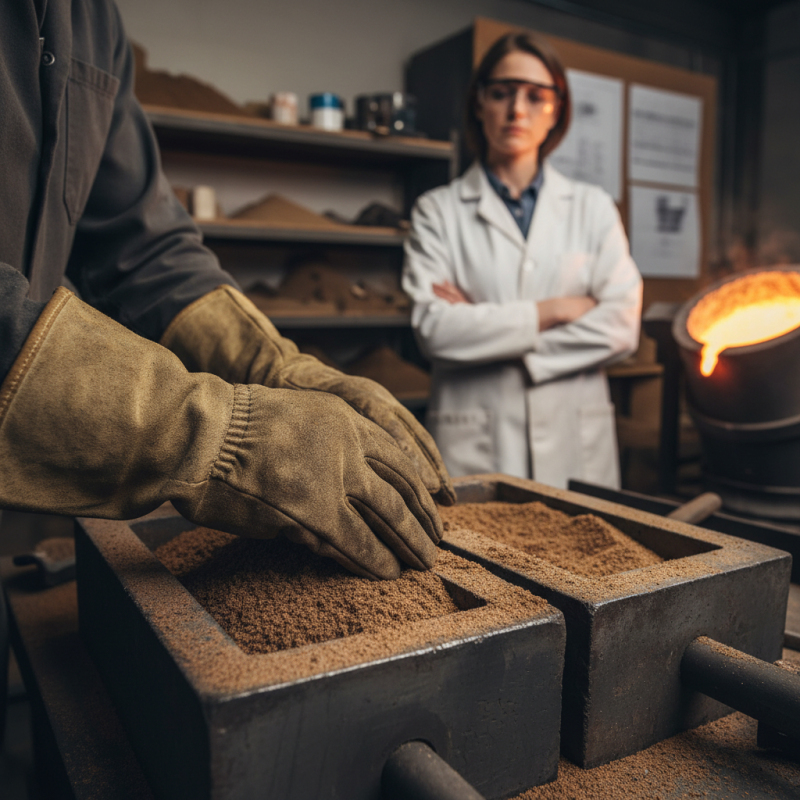
The sand molding process is a fundamental technique in metal casting. It involves creating a mold out of sand. This method dates back centuries and is popular due to its versatility. The basic idea is to pack sand around a pattern to form a mold cavity. Often, the sand is mixed with clay for better binding. However, not all sand types yield optimal results.
Temperature and moisture levels greatly impact the process. Too wet, and the mold may not hold its shape. Too dry, and it can crack easily. Finding the right balance takes practice. Some inexperienced molders may rush this step, leading to failed casts. The mold's surface must also show attention to detail. Imperfections can create defects in the final product.
Choosing the right tools is crucial. Simple hand tools can suffice, but precision ensures accuracy. Many forget to clean their tools, which can affect the mold quality. Reflection on previous casts helps improve technique. Learning from mistakes is essential. Each batch can differ, requiring adjustments to the process for success.




 Good Housekeeping
Window World windows, siding, and Therma-Tru doors are all backed by the prestigious Good Housekeeping Seal. For a full list of products with the Seal, go to goodhousekeeping.com.
Good Housekeeping
Window World windows, siding, and Therma-Tru doors are all backed by the prestigious Good Housekeeping Seal. For a full list of products with the Seal, go to goodhousekeeping.com.
 ENERGY STAR® Partner
Window World offers a variety of window and door packages that are ENERGY STAR qualified in each of the nation’s climate zones.
ENERGY STAR® Partner
Window World offers a variety of window and door packages that are ENERGY STAR qualified in each of the nation’s climate zones.
 We’re thrilled to announce that Window World of Boston has been recognized as one of the top remodeling companies in the United States for 2024 by Qualified Remodeler magazine. Coming in at #99 on the prestigious Top 500 list, this achievement is a testament to our commitment to providing exceptional home improvement services to our valued customers.
Qualified Remodeler's Top 500 list is a highly sought-after recognition that highlights the industry's most successful and innovative companies. To make the list, companies must demonstrate a strong track record of growth, financial stability, and customer satisfaction. We are honored to be among this elite group of remodeling firms.
We are grateful to our customers for their continued support and trust. This recognition would not be possible without their satisfaction and loyalty. As we continue to grow and expand our services, we remain committed to providing the highest quality home improvement solutions.
Thinking of sprucing up your home? Work with one of the best! Contact us today to discuss your home improvement needs.
We’re thrilled to announce that Window World of Boston has been recognized as one of the top remodeling companies in the United States for 2024 by Qualified Remodeler magazine. Coming in at #99 on the prestigious Top 500 list, this achievement is a testament to our commitment to providing exceptional home improvement services to our valued customers.
Qualified Remodeler's Top 500 list is a highly sought-after recognition that highlights the industry's most successful and innovative companies. To make the list, companies must demonstrate a strong track record of growth, financial stability, and customer satisfaction. We are honored to be among this elite group of remodeling firms.
We are grateful to our customers for their continued support and trust. This recognition would not be possible without their satisfaction and loyalty. As we continue to grow and expand our services, we remain committed to providing the highest quality home improvement solutions.
Thinking of sprucing up your home? Work with one of the best! Contact us today to discuss your home improvement needs.









This Window World Franchise is independently owned and operated by L&P Boston Operating, Inc d/b/a Window World of Boston under license from Window World, Inc